
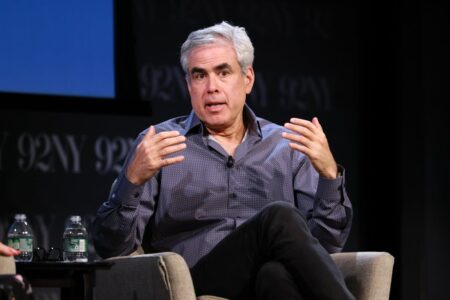
A controversy has erupted at New York University after student government leaders called on the university to reconsider selecting social psychologist Jonathan Haidt as the school’s 2026 commencement speaker.
The backlash centers on Haidt’s long-running criticism of cancel culture, progressive campus activism, and what he describes as the “overprotection” of younger generations. His selection has sparked intense debate across campus over free speech, diversity, protest politics, and the role of commencement speakers in modern universities.
Why Students Are Objecting
The controversy intensified after NYU’s Student Government Assembly Executive Committee publicly criticized Haidt’s appointment in an Instagram statement and private communication sent to university administrators.
Student leaders argued that Haidt’s views on topics such as:
- Diversity, equity, and inclusion (DEI)
- Antiracism initiatives
- Campus activism
- Social justice movements
- Student protest culture
do not reflect the values of many graduating students.
The statement reportedly described his rhetoric around DEI and antiracism as “disturbing” and called the speaker selection “a regression” compared to previous commencement speakers.
Some students also criticized Haidt’s involvement with “NYU IRL,” an initiative encouraging students to reduce smartphone and social media use through tech-free campus spaces and events. Critics argued the initiative felt disconnected from broader political and social concerns affecting students.
Who Is Jonathan Haidt?
Haidt is one of the world’s best-known social psychologists and currently teaches at NYU’s Stern School of Business.
He became internationally famous through books including:
- The Coddling of the American Mind
- The Anxious Generation
Both works argue that excessive smartphone use, social media dependency, and overprotective parenting have contributed to rising anxiety, depression, and social fragility among younger generations.
Haidt has also become a prominent critic of cancel culture and ideological conformity on college campuses, frequently defending viewpoint diversity and open debate.
Supporters view him as an important voice warning about the mental health consequences of digital life and political polarization. Critics, however, argue that his framing of campus activism and DEI efforts minimizes systemic inequality and social justice concerns.
The Irony of “Canceling” a Cancel Culture Critic
The situation has drawn widespread attention online because Haidt himself is one of the country’s most visible critics of cancel culture.
Several commentators pointed out the irony that students are now attempting to pressure NYU into removing a speaker who has spent years warning about ideological intolerance and speaker disinvitations on campuses.
Conservative commentators framed the backlash as proof that cancel culture remains deeply embedded in university politics, while progressive students argued they are simply expressing legitimate disagreement with a public figure whose ideas they oppose.
Commencement Speeches Have Become Political Battlegrounds
The NYU controversy reflects a much broader national trend.
Across the United States, graduation ceremonies have increasingly become flashpoints for political conflict, especially around issues involving:
- Israel and Palestine
- DEI and identity politics
- Free speech
- Campus protest movements
- Race and social justice
- Political polarization
In recent years, multiple universities have:
- Withdrawn commencement invitations
- Faced student petitions against speakers
- Restricted student speeches
- Increased graduation security measures
NYU itself recently ended live student commencement speeches for many ceremonies, replacing them with prerecorded videos after previous graduation controversies involving political statements about Palestine and Israel.
NYU Has Not Changed Its Decision
Despite the backlash, NYU administrators have so far shown no indication that Haidt will be removed as commencement speaker.
Supporters of the decision argue that universities should expose students to a range of viewpoints rather than selecting speakers solely based on ideological alignment with activist groups or student politics.
Others believe commencement speakers should inspire graduates rather than inflame political divisions.
The debate has also exposed generational tensions around free speech and campus culture. Some students see speaker opposition as a legitimate form of protest and accountability, while critics argue that attempts to disinvite controversial figures undermine open discourse within higher education.
A Reflection of America’s Campus Climate
Ultimately, the controversy surrounding Haidt’s commencement invitation reflects how deeply polarized university culture has become in the United States.
Graduation ceremonies — once largely ceremonial and celebratory — are increasingly being transformed into symbolic battlegrounds over identity, ideology, activism, and institutional values.
Whether Haidt ultimately speaks without disruption or not, the reaction to his selection has already become another chapter in the ongoing national debate about free expression, cancel culture, and the future of higher education.