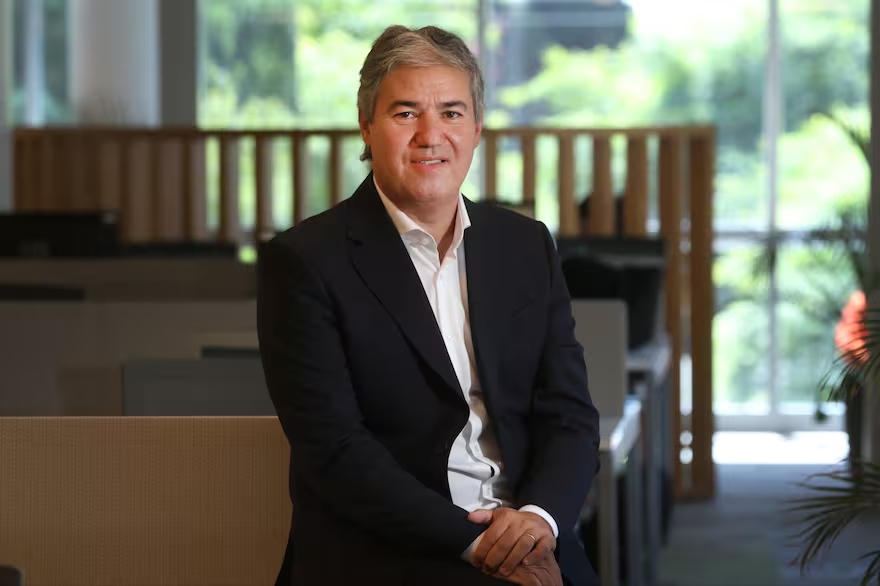

The corporate ecosystem is at a turning point where technology is dictating the new rules of the game. A clear reflection of this trend is the recent appointment of Gustavo Giay—a lawyer specializing in Intellectual Property, data privacy, and Artificial Intelligence—as the new Chairman of the Board of Directors of Marval O’Farrell Mairal, the largest law firm in Argentina.
This leadership move is not simply a change of names. Having a technology expert assume the leadership of a firm with more than 300 lawyers sends a powerful message to the market: innovation is no longer a support area, but rather the strategic core that defines the future of legal services and international business.
Artificial Intelligence as an engine of corporate transformation
Giay, who has been advising unicorns and multinational technology companies for over 25 years, fully understands the speed at which Artificial Intelligence is transforming industries. Far from seeing automation as a threat, his approach positions it as an absolute competitive advantage:
-
Own development (Marvalia): The firm was a local pioneer in integrating its own AI system, managing to automate processes long before the issue dominated the public agenda.
-
Real-time transparency: Today, the implementation of AI agents allows corporate clients to receive information and interact about their legal matters with unprecedented agility.
-
Generational synergy: Technology isn’t here to replace junior lawyers, but to redefine their roles. Digital natives operate the new systems, while more experienced partners contribute the judgment, confidence, and strategic thinking that no machine can replicate.
Investors’ radar: What is foreign capital looking for today?
From his leadership position, Giay has a precise understanding of the country’s business climate. With 85% of copper mining investment advice passing through his firm, in addition to projects by giants like OpenAI installing data centers in the south, international interest is undeniable.
The sectors currently attracting attention are energy, oil and gas, mining, and the knowledge economy. However, with the normalization of macroeconomic variables and new global opening agreements (such as the Mercosur-EU trade agreement), the key question posed by CEOs and international investment funds can be summarized in a single concept: long-term sustainability.
Investors are not only looking for entry opportunities or privatizations; they demand guarantees that reforms (labor, tax, and regulatory) will remain stable in the long term to secure their capital injections.