
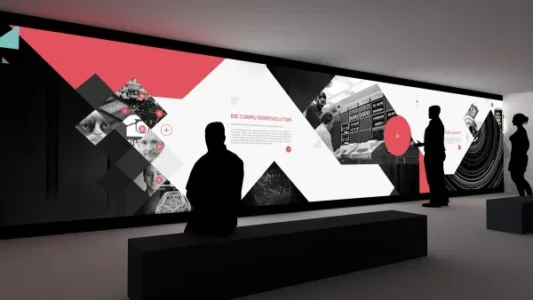
Berlin is preparing to open a unique cultural space: a museum entirely dedicated to the history and impact of the internet. The project aims to explore how digital technology has transformed society, communication, and everyday life.
The initiative, led by a group of tech and culture enthusiasts, reflects the growing recognition that the internet is not just a tool—but a defining force of modern civilization. As one of the organizers explained, digitalization has become deeply embedded in both daily routines and the global economy, yet its evolution has rarely been showcased in a dedicated physical space.
The planned museum will trace the development of the internet from its early conceptual origins and the computing breakthroughs of the 1970s and 1980s, all the way to today’s digital landscape. Visitors will also be able to explore contemporary issues such as cybersecurity, mobile connectivity, and the relationship between technology and civil liberties.
Beyond traditional exhibits, the space is expected to feature interactive installations, digital art, and educational programs designed to make complex technological concepts accessible and engaging. The creators want the museum to be both informative and immersive, offering a hands-on experience that reflects the dynamic nature of the internet itself.
Organizers are currently working to secure a central location in Berlin and raise funding through crowdfunding and partnerships with major technology companies. If successful, the museum could attract tens of thousands of visitors annually and become a new cultural landmark in the city.
Ultimately, the project highlights a broader shift in how society views digital history. What was once seen as purely virtual is now being preserved and presented in the physical world—bridging the gap between online innovation and real-world cultural experience.